

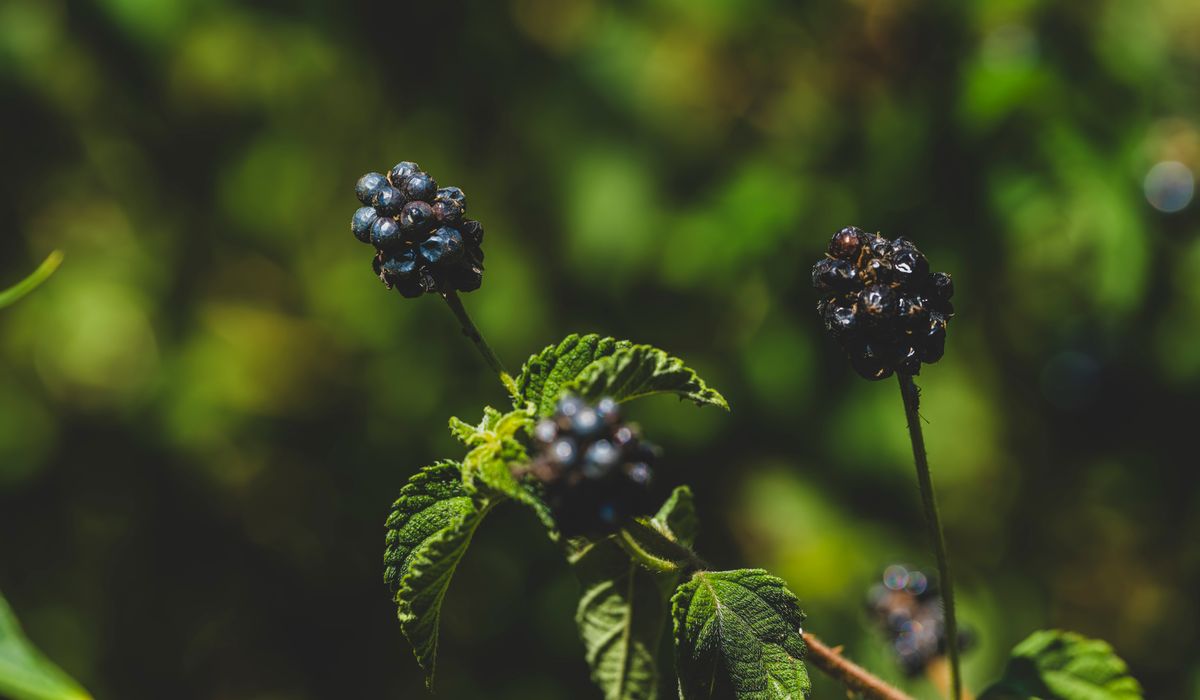
Autumn in the British hedgerow is a generous time, and few sights are as cheerful as a hawthorn bush weighed down with deep red haws. These small, ruby-like berries have been gathered for centuries to make syrups, cordials, and tonics that see families through the cold months. If you have never foraged for hawthorn before, you are in for a treat. The process is simple, satisfying, and the resulting syrup is a traditional heart-friendly remedy that tastes warmly of autumn.
Getting to Know the Hawthorn
Hawthorn (Crataegus monogyna) is one of our most common hedgerow shrubs, found across the UK in hedges, woodland edges, parks, and scrubland. It is easy to recognise: look for deeply lobed leaves, sharp thorns along the branches, and clusters of small, deep red berries. Each berry, or haw, contains a single hard stone. The related Midland hawthorn (Crataegus laevigata) is also common, with less deeply lobed leaves and two or three stones per berry. Both are equally good for syrup.
Haws are not to be confused with other red berries. Rowan berries are also red, but they grow in flatter clusters on trees with feathery leaves. Blackthorn sloes are blue-black, not red. When in doubt, check the leaves and thorns. Hawthorn has both, and its berries have a distinctive, slightly musky scent when crushed.
Timing Your Harvest
The best time to gather haws is from late September through to November. The berries ripen from green to deep red, and their flavour improves after the first frosts, which soften them and reduce any astringency. However, do not wait too long: birds and small mammals rely on haws as winter food, and a hard frost can turn them mushy. Pick on a dry day, once the morning dew has dried, to avoid mould later.
Choose your spot with care. Avoid busy roadside hedges where exhaust fumes settle, and never pick from hedges that may have been sprayed with pesticides. Always seek permission from the landowner if you are not on public land. A quiet country lane, a friend’s garden, or a community woodland are ideal.
Picking with Respect
Hawthorn is thorny, so wear sturdy gloves and use a pair of snips or scissors. You can either pick individual berries or snip whole clusters. A basket or paper bag is best; plastic bags trap moisture and encourage mould. Take only what you need, and never strip a bush bare. Leave at least half the berries for wildlife, and avoid breaking branches. A good rule is to take a little from many bushes rather than everything from one.
- Equipment: thick gloves, snips, basket or paper bag.
- Leave plenty: birds such as redwings and fieldfares depend on haws.
- Pick clean: avoid berries with white spots or mould.
Preparing the Berries
Back in the kitchen, spread your haws out on a tray or newspaper and sort through them. Remove any stalks, leaves, and foreign matter. Discard berries that are damaged or discoloured. Rinse them well in a colander under cold running water. You do not need to remove the stones for syrup, as they will be strained out later. However, do not crush or blend the berries, as the stones contain small amounts of compounds that are best avoided. Whole berries are perfect.
Making a Heart-Friendly Hawthorn Syrup
This traditional recipe makes about 500ml of syrup. You will need:
- 500g prepared haws
- 1 litre water
- 500g granulated sugar (or an equal volume of sugar to the strained liquid)
Put the haws and water in a large saucepan. Bring to a gentle simmer, then cover and cook for 30–40 minutes until the berries are soft and pulpy. Mash lightly with a potato masher to release more flavour, but do not overdo it. Strain the mixture through a muslin-lined sieve or jelly bag over a bowl, and leave it to drip overnight. Do not squeeze the bag, or your syrup will be cloudy.
Measure the strained liquid. For every 500ml of liquid, add 500g of sugar. Return to a clean pan and heat gently, stirring until the sugar dissolves. Bring to a simmer and cook for 10 minutes, then pour into sterilised bottles. Seal and label. The syrup will keep in the fridge for three to four months, or you can freeze it in small portions.
Enjoying and Storing Your Syrup
Hawthorn syrup is a traditional heart tonic, often taken by the spoonful or stirred into hot water, tea, or porridge. A typical dose is one teaspoon to one tablespoon, once or twice a day. It has a mild, fruity flavour with a hint of almond from the stones. Always check with a healthcare professional before using hawthorn if you are pregnant, breastfeeding, or taking medication for heart conditions or blood pressure.
Use your syrup to sweeten winter drinks, drizzle over pancakes, or mix with sparkling water for a refreshing cordial. Sterilise your bottles by washing them in hot soapy water, rinsing, and drying in a low oven (about 120°C) for 10 minutes. Fill while the syrup is hot, and seal immediately. A batch made in autumn will bring a taste of the hedgerow to the darkest days of winter.


Coding is used in almost all aspects of life and work now, be it directly or indirectly. It’s not just for companies in the tech sector. “An increasing number of businesses rely on computer code,
Coding is used in almost all aspects of life and work now, be it directly or indirectly. It’s not just for companies in the tech sector. “An increasing number of businesses rely on computer code,
Coding is used in almost all aspects of life and work now, be it directly or indirectly. It’s not just for companies in the tech sector. “An increasing number of businesses rely on computer code,